- KEY BISCAYNE, FL REMEDIATION
Mold Removal in Key Biscayne, FL:
When dealing with mold contamination, it’s important to understand the entire process beforehand. Complete mold removal requires cleaning the property, treating affected materials, and finding an effective solution. In Key Biscayne, mold removal requires evaluating the moisture source, the extent of damage, and the conditions that led to mold growth.

- Property-Specific Plan
- Moisture Source Evaluation
- Complete Mold Removal
If you are a homeowner wondering about the mold removal process, let us walk you through it. The process requires evaluating the area’s dampness and analyzing what can be done to prevent potential damage.
Key Biscayne mold removal process is based on a property-specific plan. Under this plan, professionals assess the property and identify solutions for each problem. For example, you may assume that a leak or condensation is normal. However, each issue requires a separate approach to analysis and mold removal.
- FUNGAL & MOISTURE ORIGINS
What Can Cause Mold in Key Biscayne Properties?
Mold belongs to the fungal family. Fungus thrives and grows well in moist, humid conditions. Therefore, moisture is one of the main reasons behind mold growth. Mold spores spread through the air and can cause serious respiratory issues. Similarly, mold spores settle on their hosts and develop into mold. Wooden furniture, carpets, drywall paper, attics, basements and other areas are exposed to mold and mildew.
Controlling indoor moisture and humidity helps ensure you can breathe safely. The main moisture sources in a Key Biscayne property can include the following:

Damage causing leakage
Lorem ipsum dolor sit amet, consectetur adipiscing elit. Ut elit tellus, luctus nec ullamcorper mattis, pulvinar dapibus leo.
Plumbing issues
Lorem ipsum dolor sit amet, consectetur adipiscing elit. Ut elit tellus, luctus nec ullamcorper mattis, pulvinar dapibus leo.
Condensation around the air conditioning system
Lorem ipsum dolor sit amet, consectetur adipiscing elit. Ut elit tellus, luctus nec ullamcorper mattis, pulvinar dapibus leo.
Drainage issues
Lorem ipsum dolor sit amet, consectetur adipiscing elit. Ut elit tellus, luctus nec ullamcorper mattis, pulvinar dapibus leo.
Water intrusion from the outside
Lorem ipsum dolor sit amet, consectetur adipiscing elit. Ut elit tellus, luctus nec ullamcorper mattis, pulvinar dapibus leo.
Past moisture control issues
Lorem ipsum dolor sit amet, consectetur adipiscing elit. Ut elit tellus, luctus nec ullamcorper mattis, pulvinar dapibus leo.
Uninvestigated prior water damage
Lorem ipsum dolor sit amet, consectetur adipiscing elit. Ut elit tellus, luctus nec ullamcorper mattis, pulvinar dapibus leo.
Indoor high levels of humidity.
Lorem ipsum dolor sit amet, consectetur adipiscing elit. Ut elit tellus, luctus nec ullamcorper mattis, pulvinar dapibus leo.
These are all signs of mold damage, not a diagnosis. If you notice these signs, seek professional advice as soon as possible.
- VISUAL & OLFACTORY INDICATORS
Signs You May Need Mold Removal in Key Biscayne
When you see growth, it’s a sure sign to investigate further. But the first thing an owner might notice is the smell, blemished finishes, or a recurring moisture issue.
Look for conditions that include:
A lingering mousy odor in a room or closet.
Any color that fades when cleaned or repainted.
Raised or damaged baseboards or cabinet panels.
Deteriorating paint or wallpaper.
Water damage under bathrooms or under mechanical equipment.
Multiple deposits of condensate on the inside surfaces.
Damage caused by a leak that has not been repaired.
Inspection & Documentation Best Practices
Not all of these observations will support mold. They can help you start an inspection.
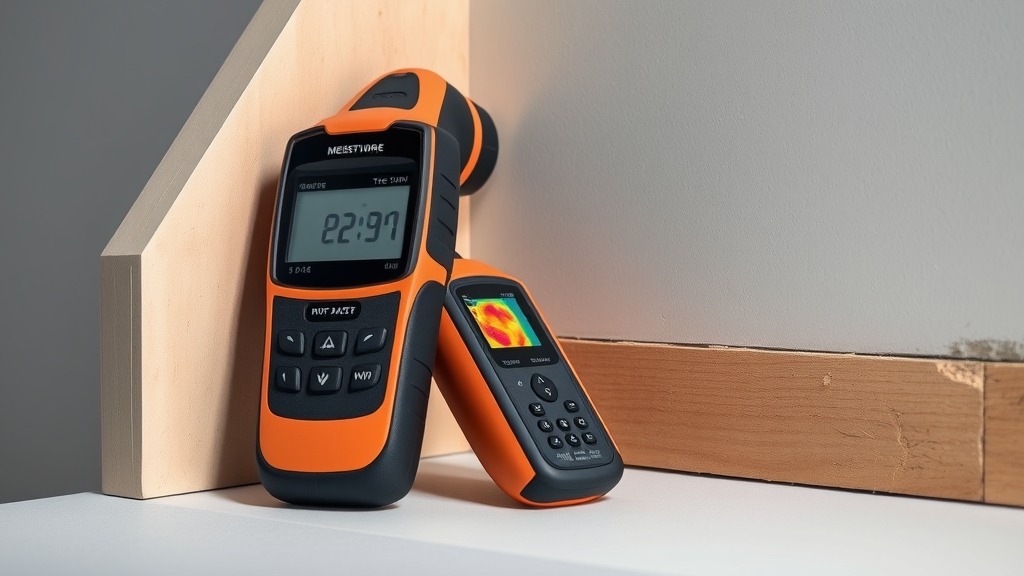
Note the date the problem occurred and how it changes after rain, after flushing toilets or after operating the air conditioning system. Photographs, maintenance records and information on past repairs may be useful.
- STEPWISE GUIDELINES
How Mold Remediation in Key Biscayne Works
Let’s understand how the process of mold remediation works in Key Biscayne. Here is a stepwise guideline for better understanding:
Inspection of the Affected Area
First, the professionals will visually inspect for mold growth. They will also analyze moisture and humidity in the property to understand the extent of mold growth. If the mold damage is extensive, they can adjust the process accordingly.
Work on the Moisture Repairs
Once the professionals identify the moisture source, they will recommend solutions based on their findings. For example, you may need to involve a plumber, electrician, HVAC contractor, or other contractors, depending on the work involved.
Containment Process
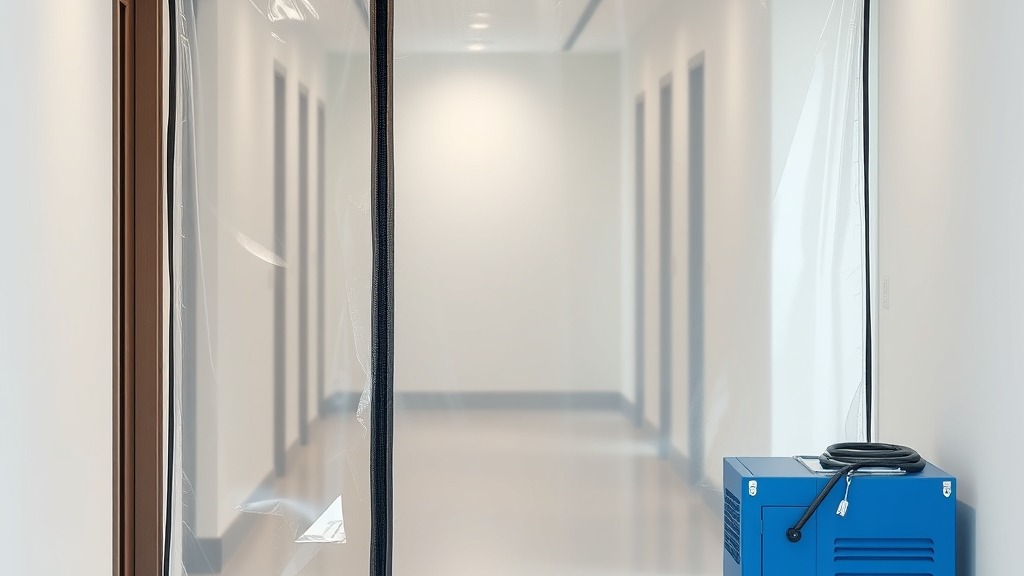
It is also crucial to prevent mold from spreading into unaffected areas. Professionals will install barriers to control airflow and prevent mold spores from spreading to adjacent areas.
Removal and Sanitization of the Materials
You may not be able to save everything, but you can save some items. Salvageable materials are saved, while the rest are removed. Cleaning and sanitizing products make the process easier for owners.
Cleaning and Drying
Different cleaning methods are used to ensure everything is in check. From moisture control measures to HEPA vacuuming, everything is done to make sure the drying process ends well.
Analyze the Completed Work
Once the process is complete, it's time to check whether it meets the criteria. If anything remains, it must be reconstructed or repaired later. Follow EPA's general remediation plan to ensure the project stays on track.
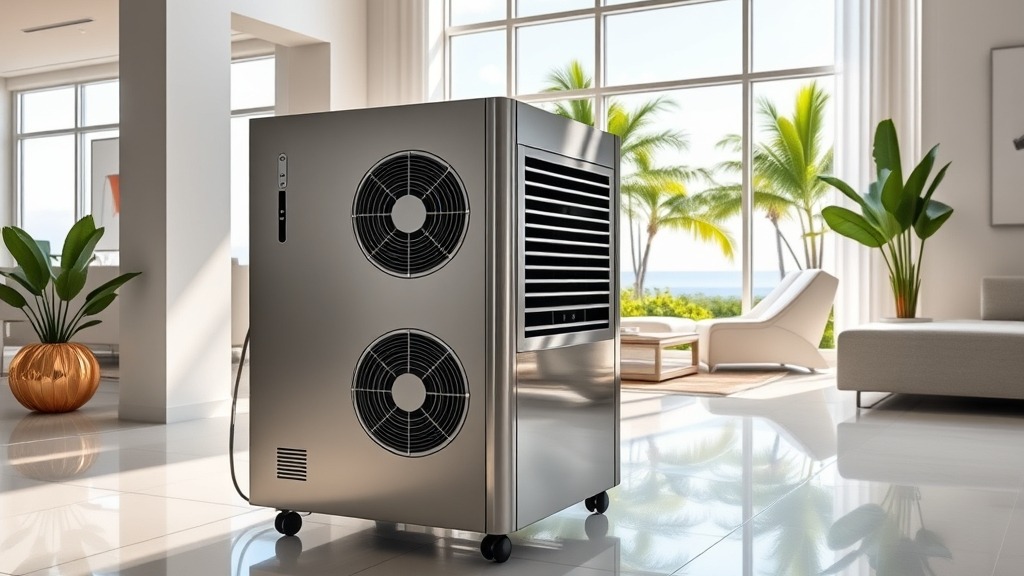
Containment barriers and HEPA filtration systems ensure clean air circulation throughout your Key Biscayne property while specialized remediation safeguards unaffected rooms.
- MULTI-UNIT & HOA MANAGEMENT
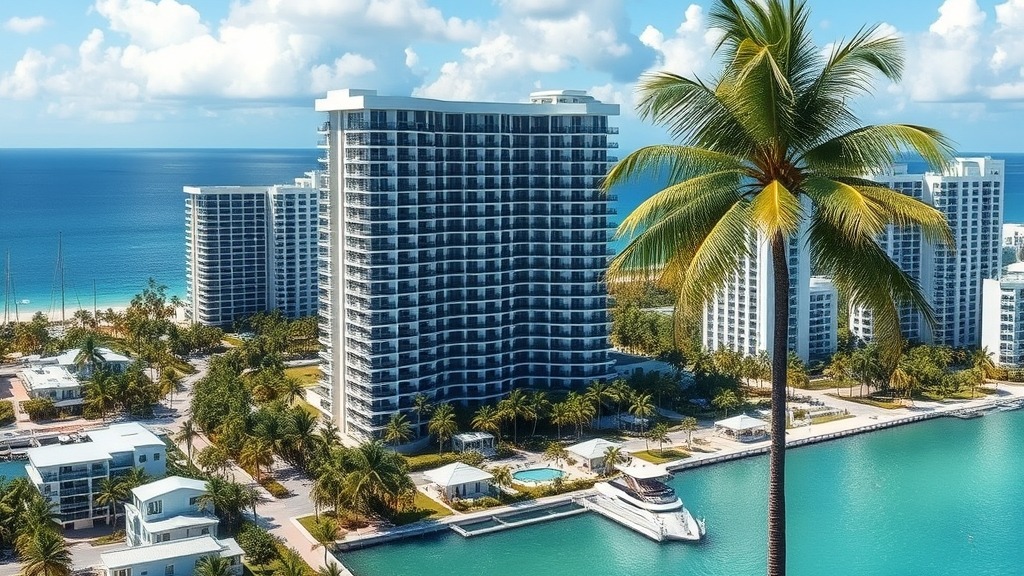
Mold Removal for Key Biscayne Condominiums
For condominium projects, you must coordinate among the unit owner, building management and contractors. Keeping all stakeholders informed helps ensure informed decisions. Before cleanup, check whether the suspected moisture source is in the unit, in an adjacent unit, or related to a common building component.
A discolored area under another apartment doesn’t necessarily indicate the leak location or who is responsible. Also, damage around a balcony door doesn’t necessarily mean the door is defective, so a complete exterior inspection may be warranted.
These practical requirements should be discussed before work:
Access to adjacent units or mechanical areas.
Contractor registration & insurance paperwork.
Reservations and allowable work hours.
Preservation of corridors and common finishes.
Routes for delivery of equipment or removal of debris.
Any necessary plumbing shutdowns.
Communication with impacted residents.
Verify the actual practice of the association. There may be variations between buildings.
- SECTOR PROTOCOLS
Residential and Commercial Mold Remediation
Houses and Residential Properties
For homeowners, complete transparency matters so the process doesn’t disrupt daily life. Mold removal in Key Biscayne is a planned project that should be discussed with the residential property owner. Containment, timing, scope of work, and cost should all be available.
Similarly, discuss material removal and cleaning of the remaining areas. Stay involved throughout the process, ask for information and stay in touch.
Commercial Spaces
For commercial projects, keep all stakeholders in the loop. Your customers, employees, visitors, and managers should all be aware of the phases and work in progress. Similarly, get information on whether the space will be temporarily closed or open for the process
It is also important to clarify how inventory will be moved and how other equipment will be kept safe. If you are dealing with leased premises, ask beforehand who is arranging the investigation and repairs.
- INVESTMENT FACTORS
What Affects Mold Removal Costs in Key Biscayne?
You can’t assign a single cost figure to mold removal in Key Biscayne. There is no simple answer because the cost depends on several factors. The work needed, type of mold damage, and area under impact are all crucial aspects.
Inquire about accessibility, materials impacted, containment, labor, drying equipment, debris management and building access considerations in the estimate. Define the distinction between assessment, verification, leak repair and reconstruction. Include written exclusions and change-order requests. You can use two quotes, but you can compare them directly only if they are for the same job.

Accessibility Considerations
Materials Impacted
Containment Equipment
Certified Labor & Hours
Drying Equipment Deploy
Debris Management
Building Access Protocol
Verification & Reconstruction
- EPA GUIDELINES & MOISTURE CONTROL
Preventing Mold After Water Damage
According to EPA guidelines, the recommended drying time for water-damaged materials is 24-48 hours. Ideal humidity levels are around 30%-50 % %, but below 60% is also acceptable. The goal is to prevent moisture and restore the space as soon as possible. Similarly, proper ventilation, humidity checks and adequate drying can prevent mold growth.
24 - 48h
Drying Time Benchmark
According to EPA guidelines, the recommended drying time for water-damaged materials is 24-48 hours. The goal is to prevent moisture and restore the space as soon as possible.
30% - 50%
Ideal Humidity Levels
Ideal humidity levels are around 30%-50 % %, but below 60% is also acceptable. Similarly, proper ventilation, humidity checks and adequate drying can prevent mold growth.
If you want to be cautious, create a simple maintenance plan.
Keep a check on the air conditioning drains
Check for recurring condensation
Allow no hidden leaks or damage in the plumbing system
HVAC maintenance should be prioritized
Ask for professional advice if you notice signs of mold growth