
- 24/7 Rapid Emergency Response
Flood Damage Restoration Miami: Storm Cleanup and Property Recovery
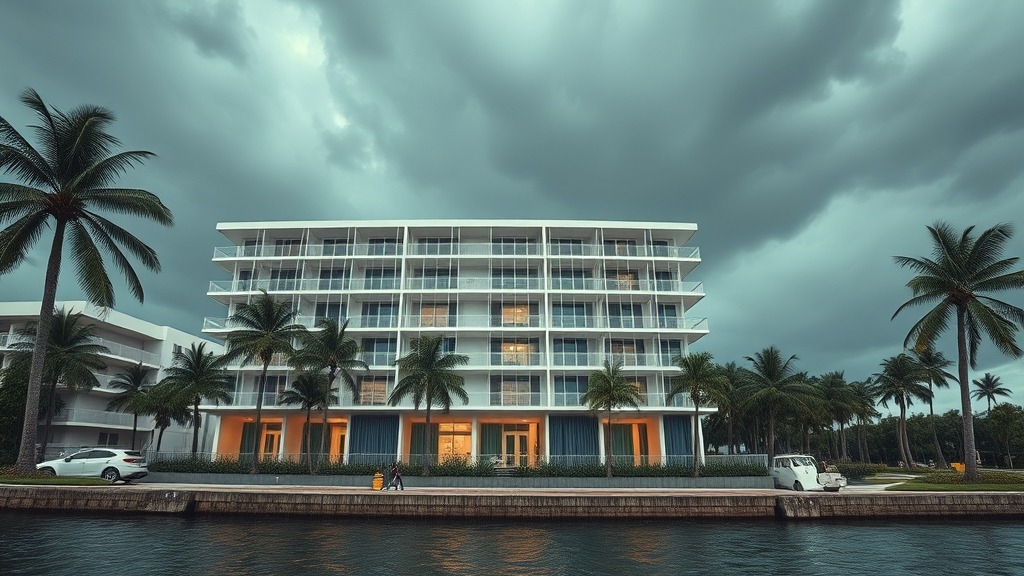
Flooding and natural disasters are common in Miami, Florida. Florida’s natural disaster risk rate is 68%, making it prone to strong storms and flooding. This damage can cause structural damage, soaked walls, and roofing issues.
These conditions can also lead to mold growth that harms your health and property. You can restore flood damage through a series of steps. In Miami, flood damage restoration can include the following steps:
68%
Florida Natural Disaster Risk Rate
Prone to Heavy Storms & Floods
Water extraction from the property
Cleanup of the property
Structural drying and repairs
Remediation strategy.
The main goal of this Remediation plan is to find a solution that remediates the damage and removes water intrusion.
- Coastal Vulnerabilities
Why Miami Properties Experience Flood and Storm Damage
Miami is a land with beautiful beaches and serene surroundings. However, Miami-Dade is prone to flooding due to intense rainfall, storms, and hurricane-related damage. This coastal area and other inland connected areas are all under the impact of water damage and should be treated immediately
Some of the most frequently occurring causes of property damage are:
- Immediate Water Damage Impact
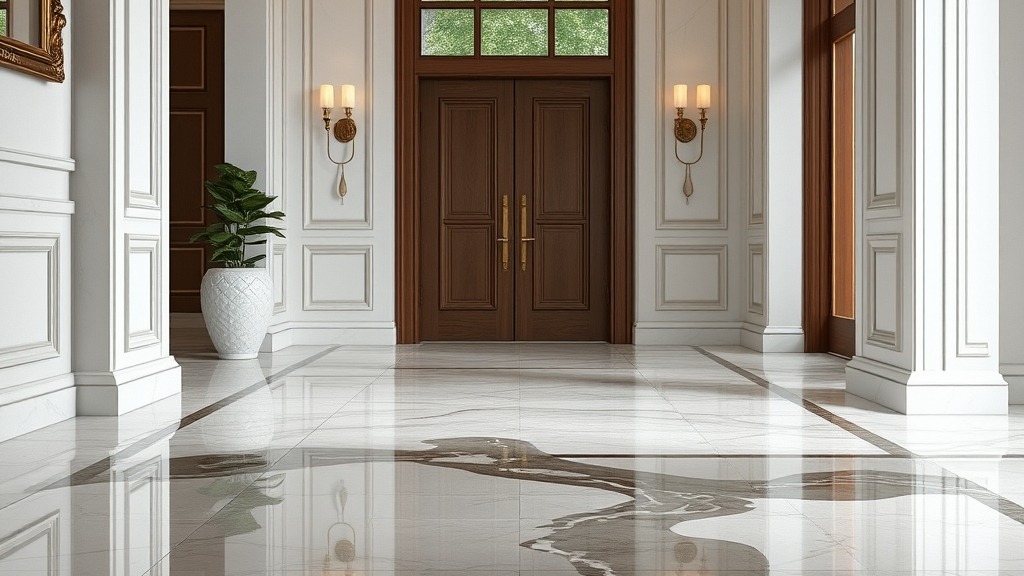
Water that has infiltrated into houses, garages and ground-floor businesses.
Damaged roofs, ceilings and insulation allowing rain to enter.
Broken glass in windows and doors, exposing the inside.
Overflows in outside drains and drainage backups.
House-to-house water seepage at condominiums and shared areas.
Failure to clean up in a timely manner, leaving moisture behind.
The restoration plan needs to account for the source of water contamination, as well as the movement and the materials impacted.
- Specialized Methodologies
Comprehensive Flood & Storm Remediation Protocols
- Water Removal Protocol
Water damage restoration in Miami
Flood Restoration is more than just removing standing water. What you can clean, dry, or replace depends on the water source, contamination level, and exposure time. Assume any outdoor flood water is contaminated. When absorbent materials cannot be adequately cleaned and dried, remove them. Recovery involves determining the extent of contamination, identifying affected items and treating contaminated materials.
A full scope can include removing water from the site, removing debris, selective removal, structural drying and reconstruction.
- Storm Recovery Protocol
Storm Damage Restoration in Miami
Storm restoration includes restoring storm damage, regardless of floodwater. Preventing further damage and ensuring moisture control is crucial. Missing or damaged roof coverings, broken windows and open exterior openings can let water into insulation, ceilings and covered wall spaces.
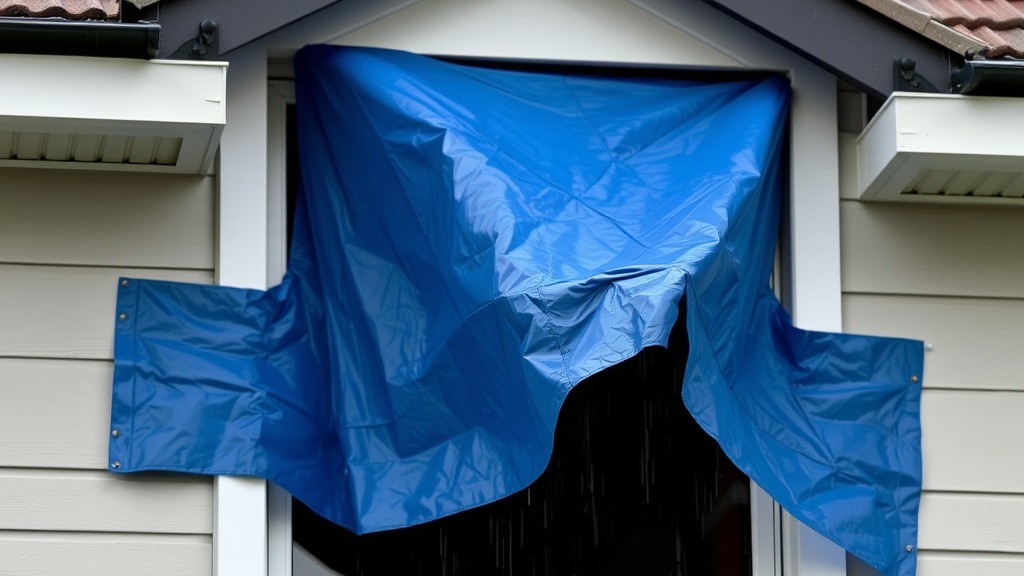
If safe, temporarily tarp or otherwise protect damaged openings to prevent more rain from entering during clean-up. Permanent repairs are then required to address the cause of the damage. Temporary weather barriers are considered an initial measure EPA takes when a home is flooded.
Assess the exterior damage and the interior route of water.
- Step-by-Step Methodology
The Flood and Storm Restoration Process
01
Safety Assessment and Damage Documentation
Before cleanup, evaluate electrical hazards, unstable ceilings and structural issues. Follow a safe reentry procedure, and have qualified professionals assess unsafe conditions.
If access is safe, document the damage to rooms, belongings and exposed water lines with pictures. Contact your insurance company and document conditions before you do anything else.
02
Moisture and Water Source Inspection
Look for openings in the ground, doors, windows and around roofs. Look in other rooms and hidden spaces for water movement.
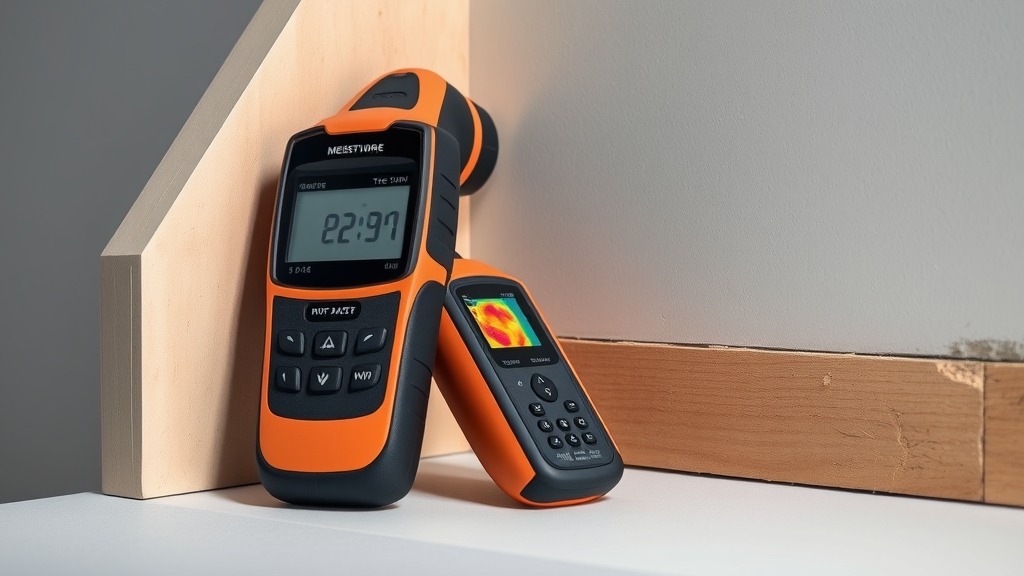
Moisture meters check for moisture under walls, floors and cabinetry, which are often thought to be dry to the touch. These measurements also help to determine the right time for material refinishing.
03
Standing Water Extraction
Accessible water is pumped out or extracted using pumps or extraction equipment. The approach should consider, but not be limited to, water depth, contamination, access, and building stability.
Flooded areas of structures require extreme care. EPA cautions that, in some cases, removing deep standing water can cause structural damage.
04
The removal of Unsalvageable Materials is covered. We address the removal of unsalvageable materials.
Assess damaged drywall, insulation, carpet padding, flooring and cabinetry on a case-by-case basis. Removal will depend on contamination, deterioration, and whether a proper cleaning and drying procedure can be carried out effectively.
Different materials may be involved, including asbestos, lead paint, etc. A scope of restoration should be written and should explain what is being removed and why.
05
Cleaning and Contents Evaluation
Clean surfaces and property that can be salvaged for removal of sediment, dirt and contamination. The cleaning method should match the material and degree of exposure.
In many cases, water and detergent will disinfect microorganisms, EPA points out. Other treatments may be possible depending on conditions, but masking odors will not help with contamination or moisture. Keep records of items cleaned, kept or disposed of.
06
Removing Water and Mold with Low Moisture Molds and Mildew
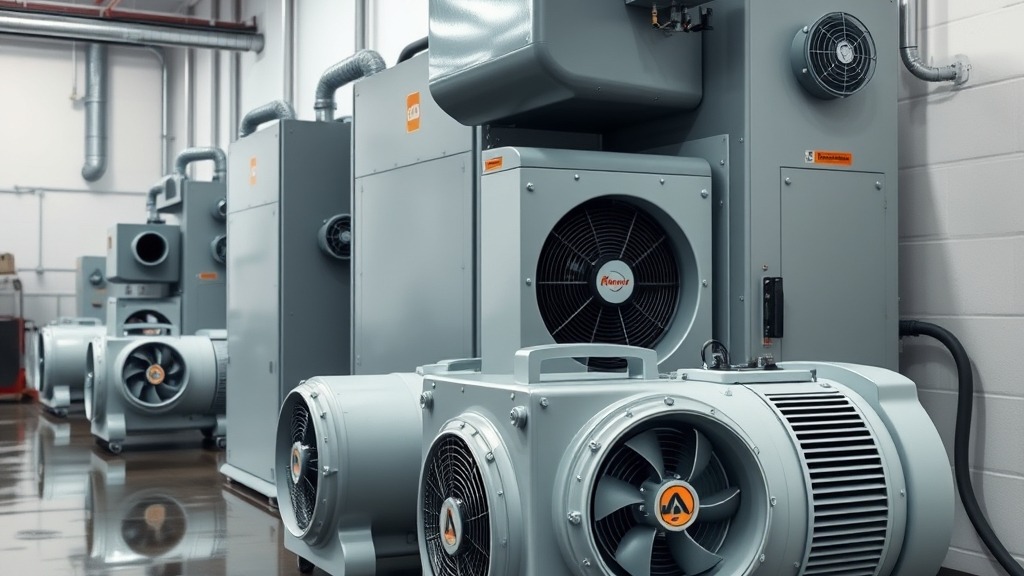
Remove retained moisture after extraction and cleanup with dehumidification and controlled airflow. Other hidden wet areas may also need treatment to resolve the issue effectively.
Assess drying progress by recording it, not by time alone or visual appearance. Ensure retaining materials are dry before finishing or closing wall cavities.
07
Repairs and Reconstruction
Repairs can include drywall, insulation, flooring, cabinetry and damaged exterior work. Electrical, roofing and structural work may need to be done by different qualified electrical, roofing and structural companies.
Check with the property’s building department about any applicable permits. Miami-Dade offers roofing, electrical, mechanical and plumbing permits. Cleanup, drying and correction of water entry problems should be followed by reconstruction.
- Microbial Risk Management
Mold Concerns After Flooding
Mold is a fungal organism notorious for causing serious damage to residential and commercial properties. Unfortunately, mold thrives in humid, moist environments, which is the climate in Florida. Miami is prone to mold growth because humidity levels are higher and moisture is more common.
24–48h
Critical EPA Dry-Out Window
Wet objects provide the ideal conditions for mold growth. According to the EPA, you should dry any wet material for about 24-48 hours to ensure it is completely safe and clean. However, if you can’t dry it outside, the EPA says it can be a sign of mold.
Therefore, once you notice the basic signs of mold growth, it is time to take action. If you have watched DIY videos saying you can paint over mold, that’s a very wrong assumption. Mold remediation is a detailed process that requires professional inspection, mold sampling, testing, removal, and post-remediation.
- Sector Protocols
Residential and Commercial Restoration
- Living Spaces & Condominiums
Residential restoration must also account for living spaces, storage areas, and personal property, in addition to structural damage. In condominium projects, coordination with building management may be required for joint inspections of common areas, neighboring units and shared walls.
- Business & Operations
Inventory, equipment, records and business operations are also considered when working on commercial restoration. Clearly identify restricted spaces, specialty repairs, cleanup tasks and conditions that must be addressed before reopening affected areas.
- Regional Miami Coverage
Water Entry Routes Across Diverse Topography
The scope of restoration depends on building type and the water entry route throughout Brickell, Downtown Miami, Coconut Grove and Little Havana. A home on the ground floor may be entirely different from an upper-level condominium.
- Direct Answers
Frequently Asked Questions
When must flood clean-up be started?
Start as soon as access is safe, including assessment of immediate hazards. If possible, clean and dry wet materials within 24-48 hours, but never enter an unsafe building to meet the above target.
What’s the difference between flood restoration and storm restoration?
The three areas of focus for flood restoration are inundation, water removal, contamination cleanup and drying. Storm restoration can include services and repairs to damaged roofs, windows, doors and other building components caused by the storm.
What is the time frame for restoration?
The timeline will vary based on the amount of damage, materials damaged and repairs required. Extraction, drying and reconstruction are distinct processes. We adjust the schedule as we receive inspection results and moisture readings.
Can wet flooring and drywall be repaired?
Sometimes. The choice depends on the contamination, physical condition, and whether adequate cleaning and drying can be done. Do not automatically replace materials; evaluate materials individually.
Should mold testing always be done following flooding?
No. Testing should be for a specific reason, not as a rule. EPA notes that no Federal mold or mold-spore limits exist for which sampling can prove compliance.
- Property Recovery Consultation
Get a Flood or Storm Damage Assessment in Miami.
If flooding or stormwater intrusion has occurred at your property, ask for an assessment of the water source, impacted materials, cleanup requirements and drying strategy. Documentation of the scope can facilitate the process from the start to the end of flood damage restoration in Miami and storm damage restoration in Miami.
- Water Source Identification
- Documented Scope of Work
- Precision Moisture Diagnostics
- Certified Structural Drying