
Mold remediation is a term used to describe a particular process of mold assessment, removal of contaminated materials, correcting moisture issues, and prevention of further mold. Mold abatement describes the process of controlling, reducing, containing, and removing mold. Mold remediation and mold abatement are quite similar terms but they are not always identical.
These terms may be used interchangeably; however, it is essential to know what kind of work will be done for you.
Steps taken to control and reduce mold are termed as mold abatement. This process is based on the project but usually includes:
Mold abatement may differ according to the company, contractor, or state.
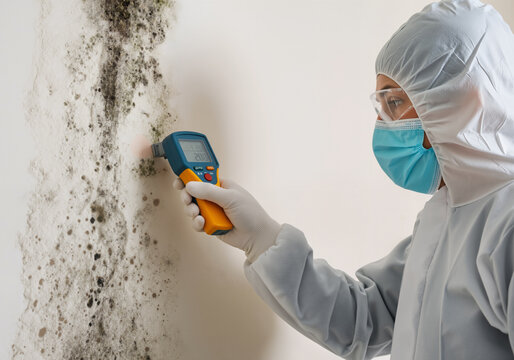
Specialized procedures designed to contain mold spreading, manage moisture, and remove contaminated materials.
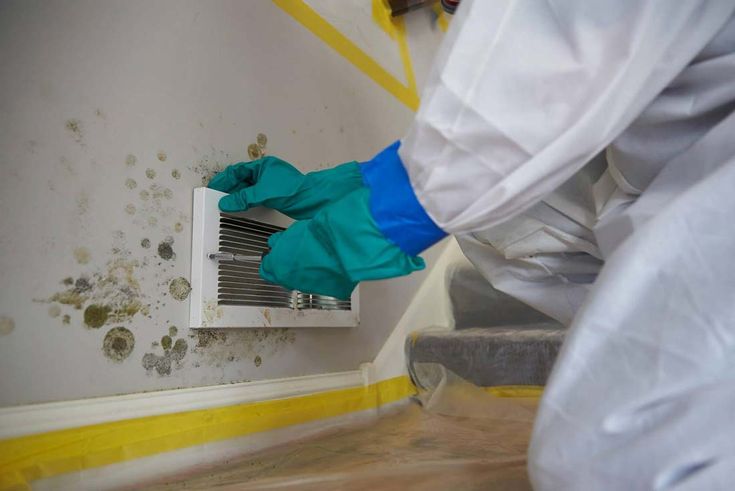
A full-scope remediation protocol ensuring proper HEPA filtration, root cause resolution, and post-clearance verification.
The process of addressing mold and remediating the affected area to its previous state is called mold remediation. It includes:
Moisture control is essential for any remediation process as chances of recurrent mold increase if moisture is not corrected.
Important: when choosing a company, review the applicable work details instead of relying on the term advertised by them.
Mold removal is one of the steps of mold remediation.
Removing mold is not helpful if the moisture problem is not handled properly. Mold remediation is the complete process of removing mold as well as handling moisture and underlying mold issues.
Identification of visible mold, moisture source, water damage, and other underlying issues by a professional.
Moisture can be caused by flooding, plumbing leaks, excess humidity, roof leaks, HVAC issues, improper ventilation, or poor drainage.
Containment barriers are used for complex projects or larger areas to avoid spreading mold spores and dust particles to unaffected areas.
Materials that are cleanable are properly cleaned by using advanced methods. Some materials which are heavily contaminated and cannot be restored are removed and discarded.
Areas are properly dried and the source of moisture is corrected. Drying the area within 24 to 48 hours after water damage is highly recommended to avoid mold buildup.
Final assessment is performed to check any remaining mold, odors, or moisture issues. If any of these issues is present, further steps are taken.
Smaller areas affected by mold can be handled by homeowners if the contamination is not widespread. According to EPA recommendations, if a mold affected area is greater than 10 sq feet, professional services are essential. Professional remediation is also necessary if water damage or intricate issues are present.
Mold keeps returning
Moisture source is not identified
Mold is spread to a larger area
Huge water damage has occurred
Mold is spread inside walls or ceilings
HVAC system is contaminated
Mold is caused by sewage issues
Porous materials are affected
Containment barriers are required
Not always. Companies may use these terms interchangeably, but abatement means reducing or controlling mold, while remediation is a complete process of mold removal to restore the area to its pre-damaged state.
No, mold removal is a step of mold remediation which refers to mold removal. However, remediation involves mold removal, moisture source detection, cleanup, and restoration.
Not exactly. Mold spores naturally exist in the air. Mold remediation means removing problematic mold and correcting moisture source which causes mold buildup.
N0, it is not always essential if visual inspection is done by a professional and the source of moisture is corrected. Air or surface testing is required if the project is complex.
If visible mold is removed, moisture source is handled, and area is cleaned properly, it may indicate that remediation is successful. Third-party verification may be required if the project is complex.
This terminology depends on the scope of work. When a company promises mold remediation, mold removal, or mold abatement, always check if their services include:
Mold assessment → removal and cleanup of contaminated material → moisture source detection → structural drying → use of containment → final verification
If mold keeps returning or water damage has occurred, a professional mold specialist may suggest a suitable solution for your issue.
Need professional mold abatement in Miami? Contact us to schedule a mold inspection and get suitable remediation process options.