Mold grows in places with high humidity, moisture, food, oxygen, and warm temperatures. Mold spores are naturally present in the air, soil, dust, and on indoor and outdoor surfaces. Mold grows rapidly within 48 hours after water damage in suitable environments. Moisture and mold growth are common issues in most residential properties in the USA.
According to HUD’s American Healthy Homes Survey II, approximately 18% of the households in the United States have experienced mold growth due to leaks, rainstorms, floods, condensation issues and other environmental factors.
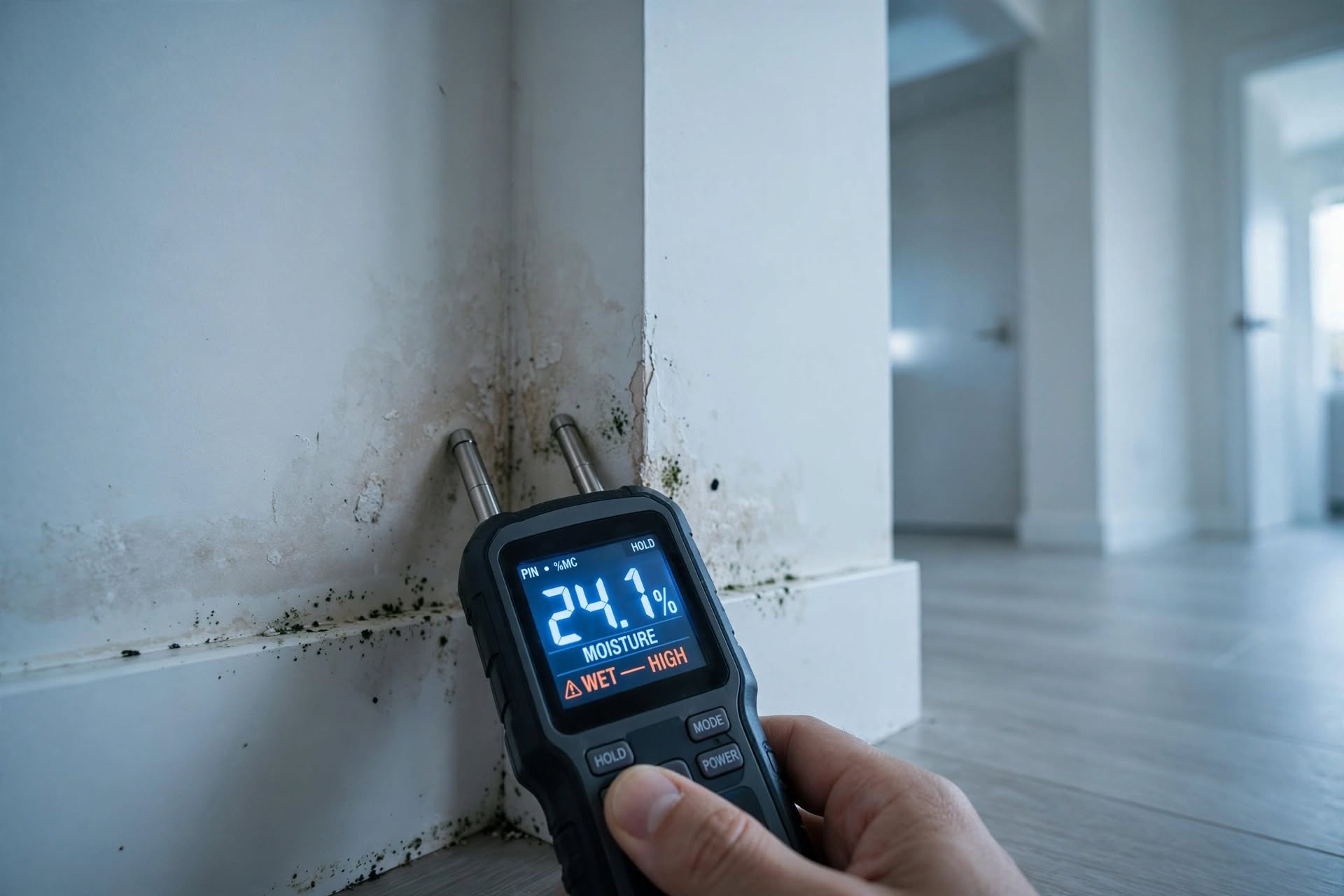
Natural mold spores always remain in our indoor and outdoor environments, but generally at safe levels, these spores are not harmful to our health or building structures.
Mold becomes hazardous when it grows and remains on surfaces, materials, in crawlspaces, inside HVAC systems and in any other area of your property. Prolonged exposure to mold can lead to several respiratory health issues and cause breathing difficulties for people with asthma. Mold needs these conditions to grow, such as
High moisture levels due to water leaks, condensation issues, rainstorms, floods, appliance leaks, and other water damage factors provide a suitable environment for mold infestation.
If your property has high moisture and warm indoor environments, many types of mold can grow on your property.
Organic materials and accumulated residues such as drywall, carpets, wood, cotton, leather, ceiling tiles, cardboard and some other materials are suitable mold food sources because they provide nutrients that mold needs to grow.
Like most living organisms, mold also needs oxygen to grow.
Mold can start to grow in 24-48 hours in favorable conditions. The exact time depends on mold type, moisture levels, temperature and materials.
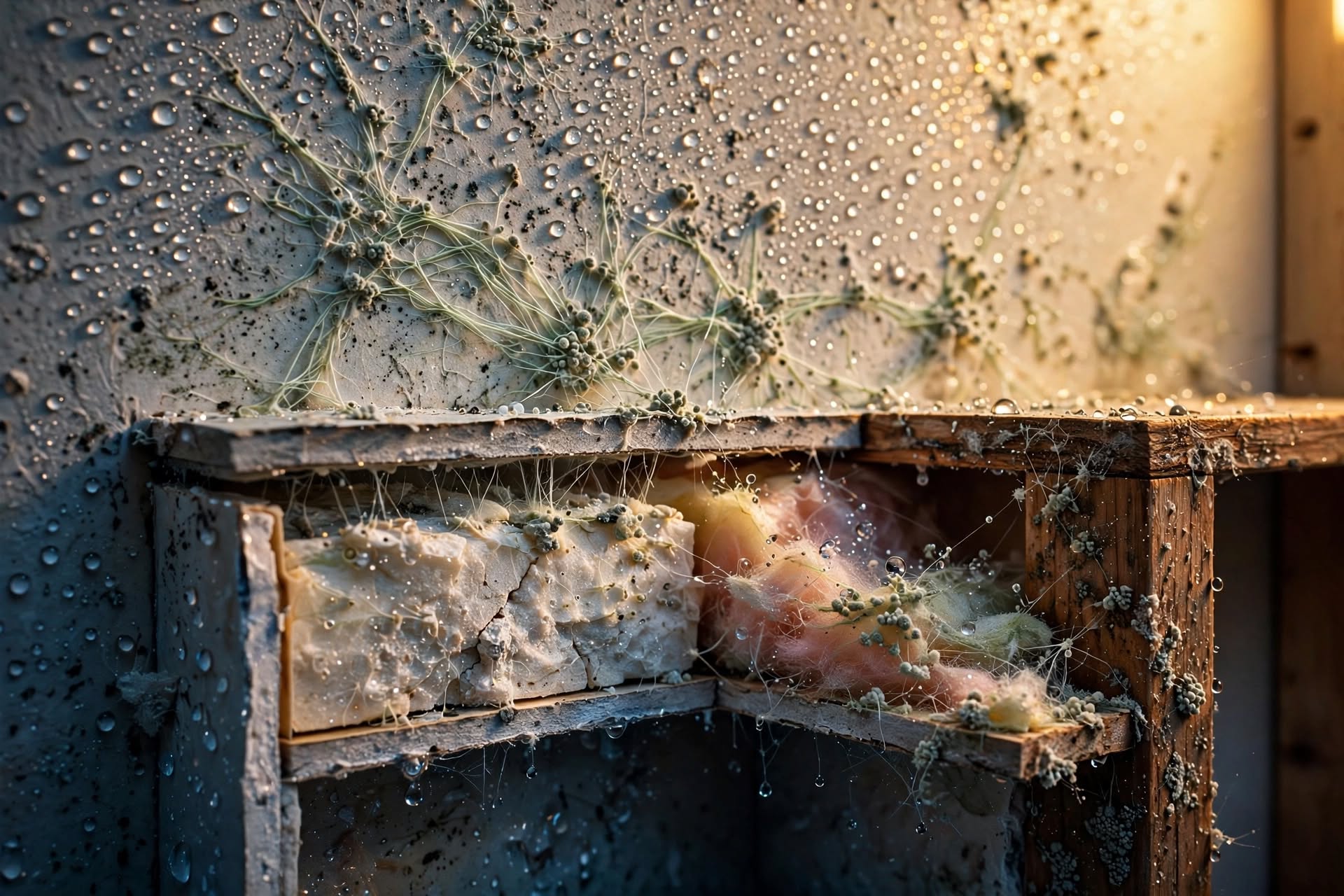
Standing water and water from visible or hidden leaks can increase moisture levels on the property, which leads to mold growth. Many people think water itself makes mold grow, but it is not true. Water from storms, floods, pipe leaks, plumbing leaks, roof leaks, HVAC units, appliances and any other source may increase moisture levels and dampness on your property and create a suitable environment for mold growth.
Water leaks can also make building materials damp, and when mold spores settle on these damp materials, they start to develop into mold colonies. It is not possible to eliminate mold spores from the natural environment, but we can fix water leaks and keep the structures dry to prevent mold growth.
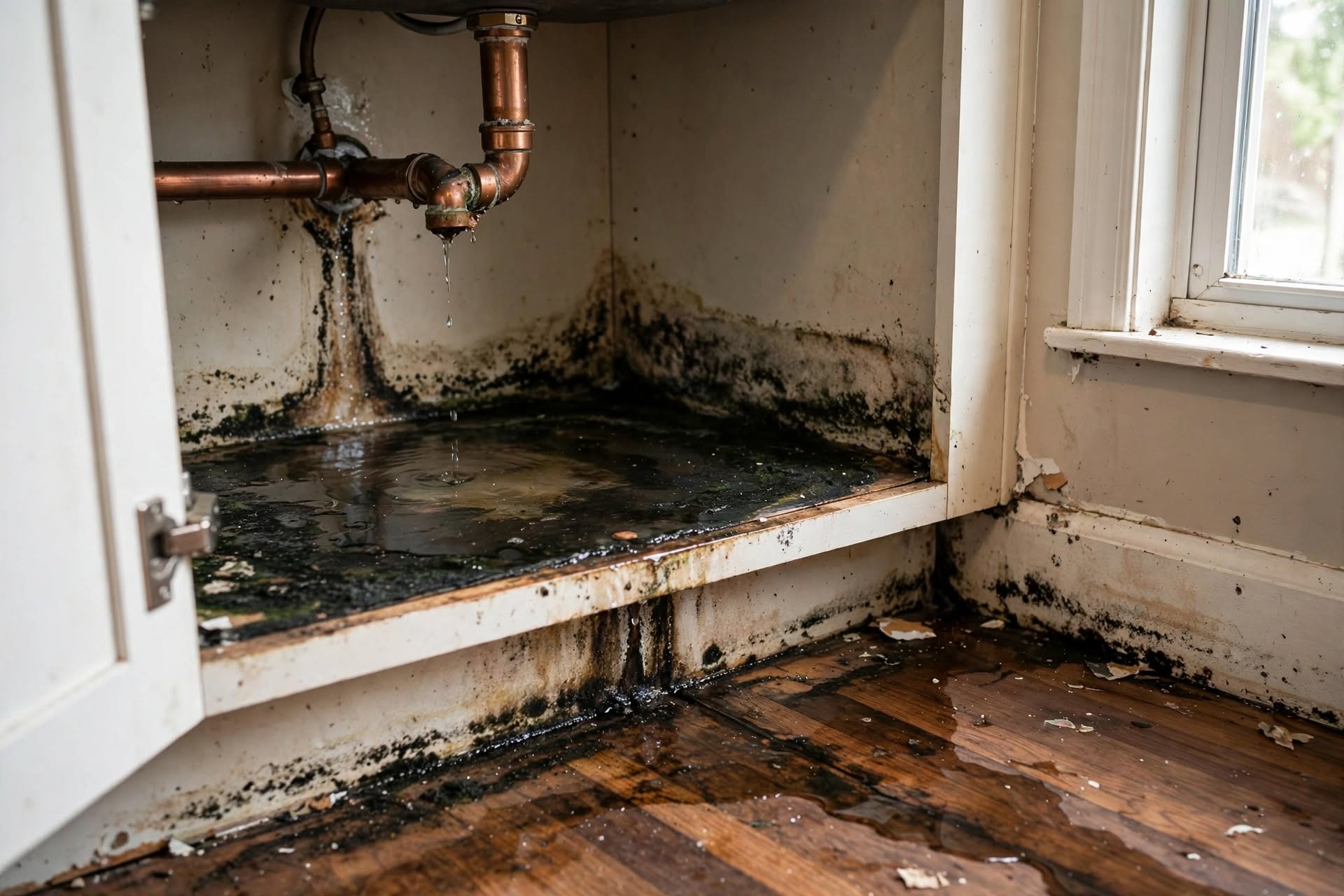
High humidity levels provide favorable conditions for mold spores to germinate, grow and reproduce. Natural mold spores remain inactive in dry indoor and outdoor environments, but when humidity levels are high, building materials absorb this moisture and become damp. When mold spores settle on these damp materials, the dampness in these materials supports mold growth. High moisture levels can also cause condensation in windows, exterior walls, pipes, and air conditioning components. It is important for homeowners to maintain normal humidity levels in indoor environments and maintain proper airflow.
Mold can also grow even without any water leak due to poor ventilation, condensation issues, HVAC moisture, and hidden moisture behind building materials. Mold grows on organic and moisture-affected materials such as food residue, insulation materials, accumulated organic debris, dust, natural fabrics, carpet padding, gypsum board, and other moist materials. Mold can easily grow again even after professional mold remediation if moisture sources are not fixed properly.
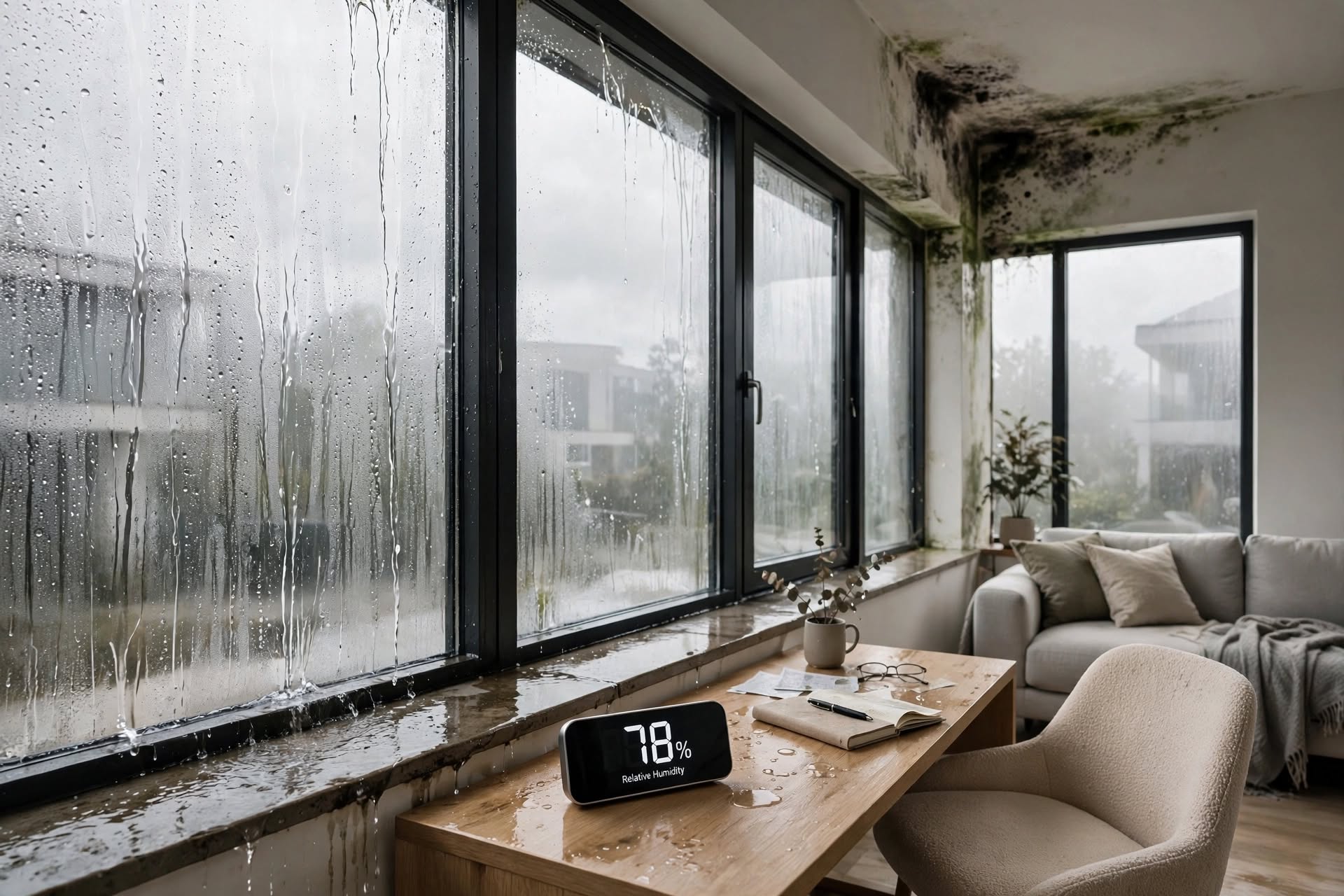
Mold starts to grow quickly on wet or damp materials in suitable environmental conditions.
In most cases, mold grows faster in warm and humid environments compared to dry and cold weather.
No, mold needs moisture to grow and reproduce its spores. Mold spores also exist naturally in dry conditions, but they need enough moisture to develop.
Homeowners and commercial property owners can prevent mold growth with some simple steps.
Yes, many types of mold can grow on damp drywall and other building materials if moisture levels are high.
Moisture is one of the primary factors in mold growth in residential, commercial and industrial properties. Mold needs suitable environmental conditions and organic food sources to grow and spread. Mold needs high humidity levels, moisture, warm temperatures, oxygen and time to develop on surfaces and other materials. Homeowners can fix moisture sources, humidity issues, and keep the property structure and materials dry to prevent mold growth.